
What is JUST ASK JOHN?
JUST ASK JOHN is a blog of answers to frequently asked estate planning questions, with videos and articles by Hawaii attorney John Roth. What started as a newspaper column in the North Hawaii News and West Hawaii Today has grown into a trove of answers to the most asked questions about wills, pet trusts, and everything in between. Estate planning can be overwhelming, John tries to take the stress out of it.
This blog does not contain legal advice. You should not rely on this to determine what is in your own best interest. For legal advice, specific to your situation, you must meet with an attorney. All posts are based on hypothetical scenarios, not the actual circumstances of real clients.
Watch the latest:
ASK a question:
VIDEO ANSWERS
to FREQUENTLY ASKED ESTATE planning questions

What assets should you put in your trust? Avoiding probate, planning in case of incapacity, and making things as easier for loved ones after your death are all things to consider.

An initial estate planning meeting is recommended for most people, because it's a face-to-face opportunity to understand what your options are. There are five general categories or times in your life, where estate planning should be done.

If something were to happen were to happen to you, who would take care of your child? With a will or trust you can nominate someone you trust to care for your child. Attorney John Roth explains the difference between a guardian and a conservator and how to set and age of inheritance with your estate plan.
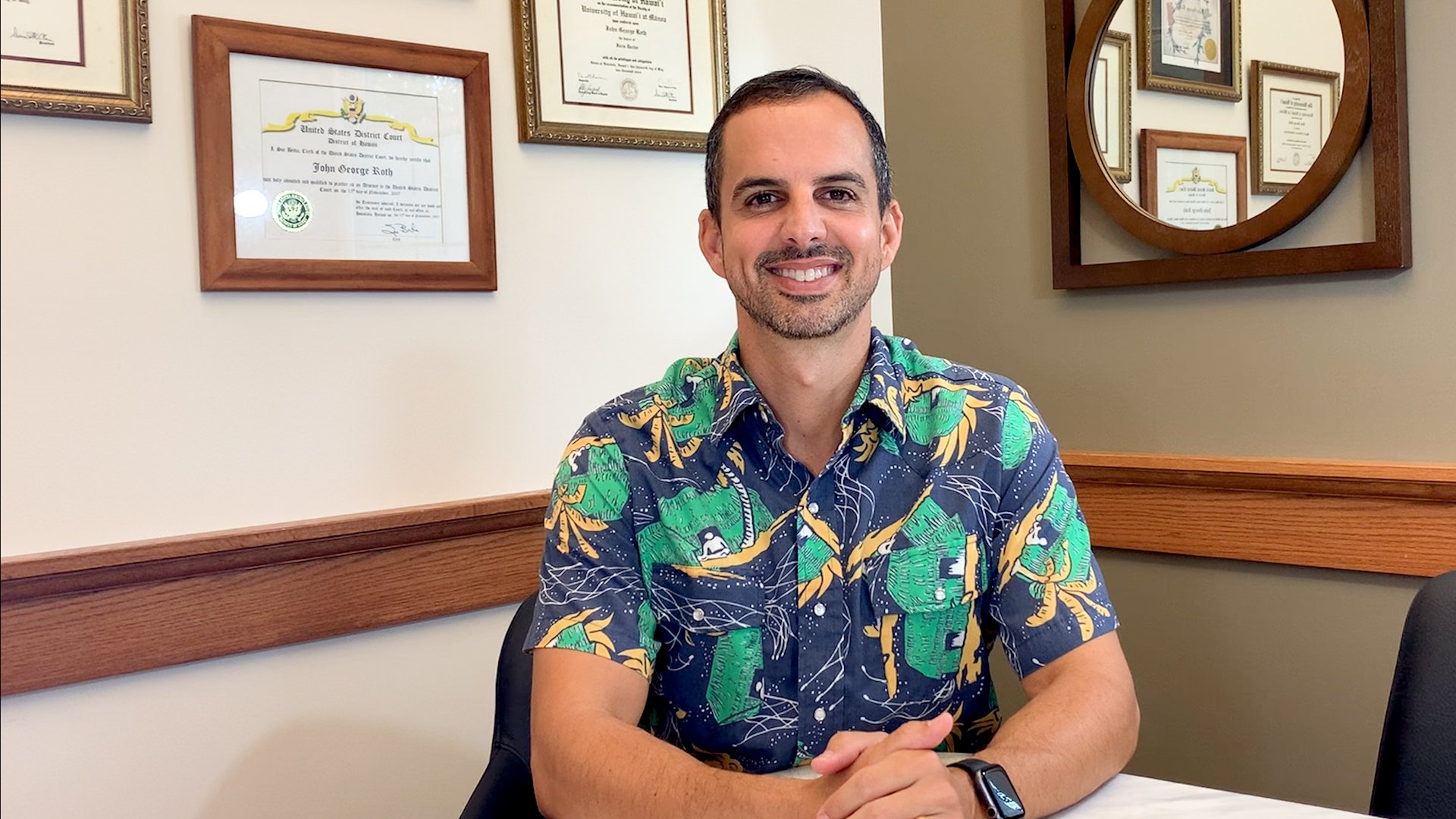
They both have important roles in your estate plan, but what’s the different between a personal representative versus a trustee? Basically, after your lifetime, a trustee is responsible for your assets held in trust and a personal representative is responsible for your assets held in your individual name. You name your personal representative is named in your will and your successor trustee is named in your trust.

Estate planning attorney John Roth unpacks the estate tax and gift tax rules to answer wether you (or rather your estate) will owe taxes when you pass. What year you die in, how many gifts you gave in your life, and how much wealth you die with all matter when considering paying estate taxes.

Not sure if you should hold your investments in trust? In this episode John talks with Certified Financial Planner Taylor Easley about whether investments should go into your trust or not.

Katherine Werner Brooks, Executive Director of nonprofit North Hawaii Hospice, explains how hospice care works on the latest Just Ask John episode. She also answers: How do you qualify for Hospice? How much does Hospice cost?

Not sure how you should hold title to your real estate in Hawaii? In this episode you’ll learn about the different ways to hold title to a piece of property and how some can help you protect your assets and even avoid probate.
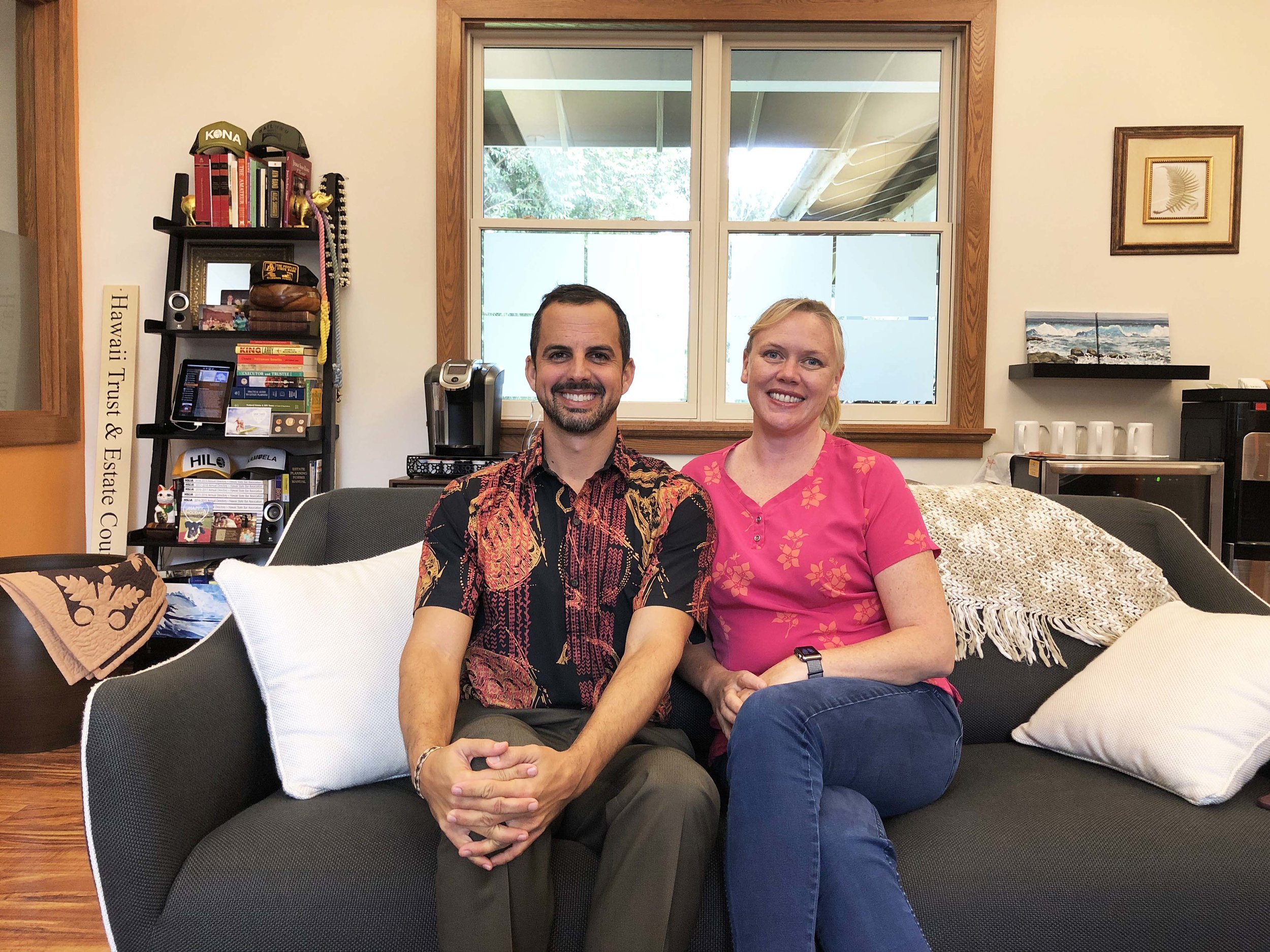
We may not like to talk about it, but most of us will reach a point in our lives where we need more help from others to take care of ourselves. Estate Planning Attorney John Roth and Adult Care Expert Karyn Clay talk about incapacity or the physical or mental inability to manage one's affairs and the care options available.

So you made the decision to get your will or trust done, but how do you prepare for the first meeting with an estate planning attorney? It might be easier than you think. You should really just have three things.

What will happen if your pet outlives you? How is it decided who gets your pets? Many times our pets feel like family and you may want to make sure they’re taken care of like family if they outlive you. There are three primary ways to ensure your pets are taken care of after your lifetime.
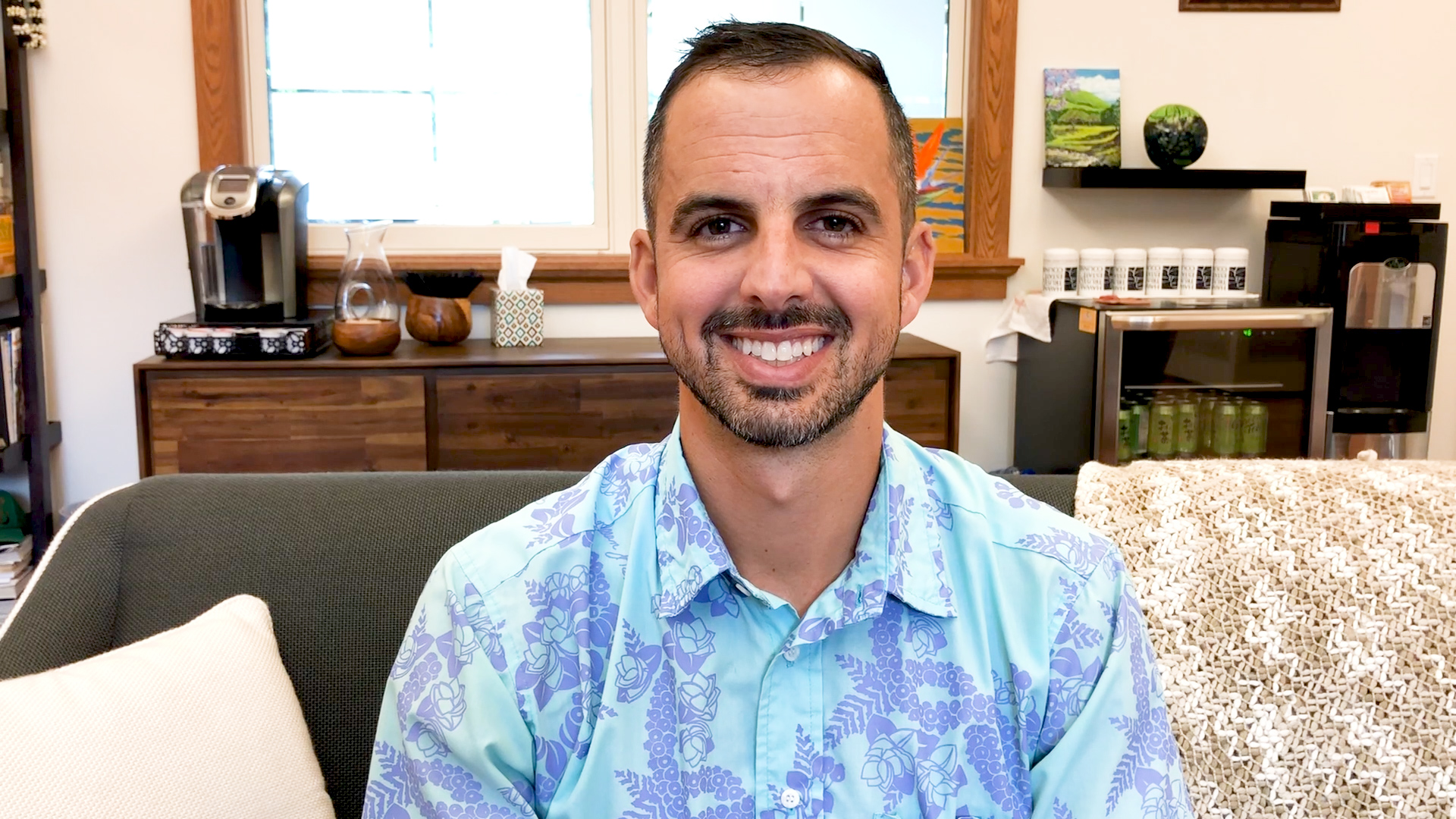
If you did your estate planning in California, then move to Hawaii, is the plan still valid? Will your will or trust work the way you intended in you new state of residence? Each state has it’s own set of laws that govern estate planning.

Will the State take my property? Will my loved ones pay more taxes? These are common questions that come up when discussing what happens if you die without a will, but aren’t necessarily true. Each state has intestate succession statues that try to guess who you would want to get your stuff if you don’t have a will.

Maybe you’re about to go on a trip or have a sudden flash of insight that makes it urgent to make or update your will. In certain states, including Hawai`i, holographic (or handwritten) wills are accepted, but you should know a few things before breaking out the stationery.

Estate planning is not just about planning for after your lifetime. It’s also needed for incapacity planning while you’re still alive. Adding someone as a signatory on your bank account is a simple tool for incapacity planning, but it’s not right for every situation.

Losing a loved one is difficult enough, then there's the business of carrying out their estate plan. Creating an estate plan gives the ones you leave behind a clear direction of what you want to happen to your assets, but many times family members don't know where to start.

So you did the hard part and did your estate plan, but now where should you keep these important documents? Attorney John Roth explains where to keep your estate planning documents, who you should give them to, and where not to put them…

Do you have things that you would want to go to certain people after you die? Maybe you'd want your daughter to have your car or your best friend to have a certain piece of art? That's where the Memorandum Regarding Tangible Personal Property comes in.

The Health Insurance Portability and Accountability Act (HIPAA) was created by Congress in 1996 to protect your healthcare information. In order for anyone other than yourself to access your your medical information or talk to your doctor, they need to have a current HIPPA Release Form.

Attorney John Roth explains how an advance healthcare directive (referred to sometimes as a Living Will and Healthcare Power of Attorney) facilitates the making of health care decisions by your agent if you are unable to make them yourself.

Without a Will or Will Substitute, a person’s property could end up in the wrong hands...

WHO IS JOHN?
John Roth formed the estate planning law firm Hawaiʻi Trust & Estate Counsel in 2014, in Kamuela on Hawaiʻi Island. The firm has offices in Kamuela and Hilo, and also meets with clients in Kona, Wailuku, Maui, and on ʻOahu.
John has taught Estate Planning as an adjunct law professor at the William S. Richardson School of Law at the University of Hawai`i–Manoa, and lectures in several other law courses there. He also has taught the Business Law course at the University of Hawai`i–Hilo. John is also a frequent speaker at seminars for lawyers and other professionals in the areas of estate planning, probate administration, law firm management, and legal ethics. His publications include co-authorship of the Hawaii State Bar Association’s Estate Planning Forms Manual (2012) and Hawaii law section of the American College of Trust and Estate Counsel (ACTEC) Report, Comparison of Domestic Asset Protection Trust Statutes (2014).
In 2016, John was recognized as one of Hawaii's "40 Under 40", an annual award given by Pacific Business News to 40 of the most influential professionals under 40 years old, in the State of Hawaii. John has served as president of the Young Lawyers Division and the Estate Planning Section of the Hawaii State Bar Association, and cofounder of the Solo & Small Firm Section. He is past president of the Rotary Club of North Hawaii and served on the board of the Parker School. John is also a past president of the North Hawaii Hospice board; and on the advisory board for the West Hawaii Fund of the Hawaii Community Foundation. John is currently on the Hawaii Island Leadership Council of the Hawaii Community Foundation and serves on the board of The Donkey Mill Art Center in Holualoa.
John earned a B.S. degree in Business Communications from the University of Kansas in 2003 (Phi Beta Kappa), and joint J.D. and M.B.A. degrees from the William S. Richardson School of Law and Shidler College of Business at the University of Hawai`i–Manoa in 2007. He grew up on Oahu where he attended public elementary schools and graduated with honors from Punahou Academy.
What assets should you put in your trust? Avoiding probate, planning in case of incapacity, and making things as easier for loved ones after your death are all things to consider.